Custom Casino Software: The Build vs. Buy Decision for Regulated Operators
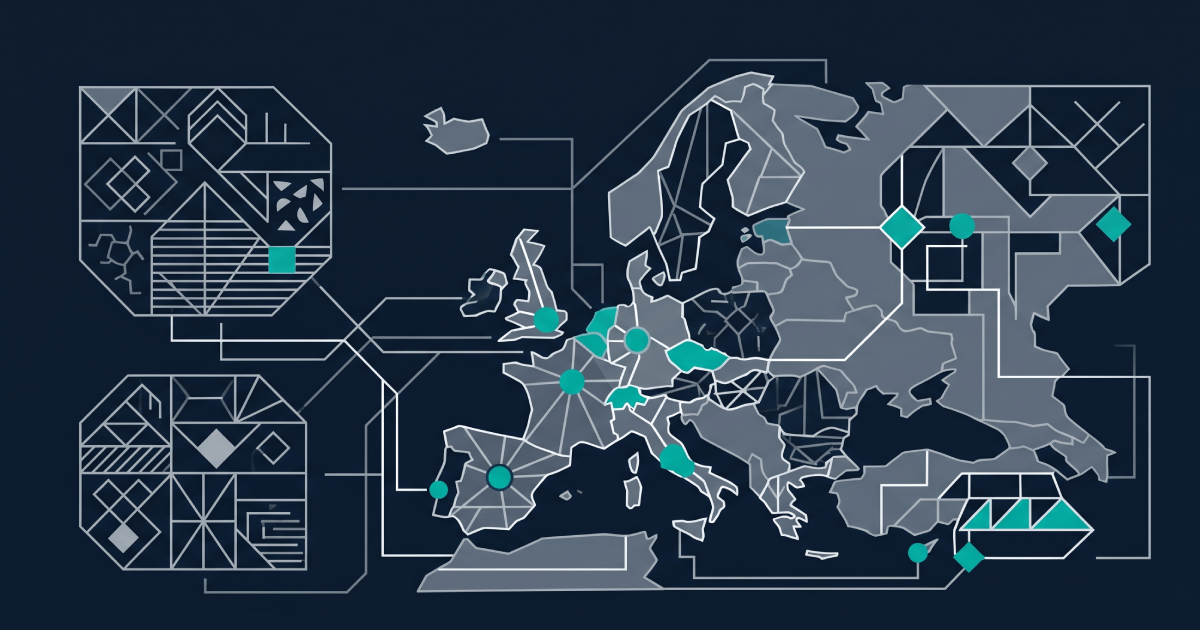
Most operators we talk to aren’t evaluating a custom build because they want to. They’re evaluating it because their current platform has become the bottleneck. Revenue share is eating margin. The vendor’s roadmap doesn’t include the features they need this quarter. Compliance changes from the UKGC or MGA take months to implement because they’re queued behind twenty other operators on the same white-label stack. This article lays out a structured framework for evaluating the build vs. buy decision: where custom makes sense, where it doesn’t, what the architecture actually looks like, and how to think about cost over a three to five year horizon.








White-label and turnkey casino solutions solve a real problem. They compress time-to-market. They reduce upfront capital. For operators entering a new jurisdiction with limited engineering capacity, they’re often the right call.
But they create a different set of problems over time.
The revenue share model is the most obvious. At 20-40% of GGR, the economics work when you’re small. They stop working when you’re processing tens of millions in monthly wagers. At that point, you’re paying enterprise licensing fees without enterprise control over your own product.
Roadmap dependency is the harder problem to quantify but arguably more damaging. When your vendor decides to prioritise sports betting integration over the wallet refactoring you need for real-time AML monitoring, you wait. When a UKGC licence condition change requires a new player interaction trigger and the vendor estimates eight weeks for a config change, you wait. Your compliance team is exposed. Your product team is frustrated. Your engineering team is maintaining workarounds on top of workarounds.
Then there’s the competitive moat question. If you and twelve other operators are running the same platform with the same game lobby, the same bonus engine, and the same CRM triggers, your differentiation comes down to marketing spend. That’s an expensive war to win and an impossible one to sustain.
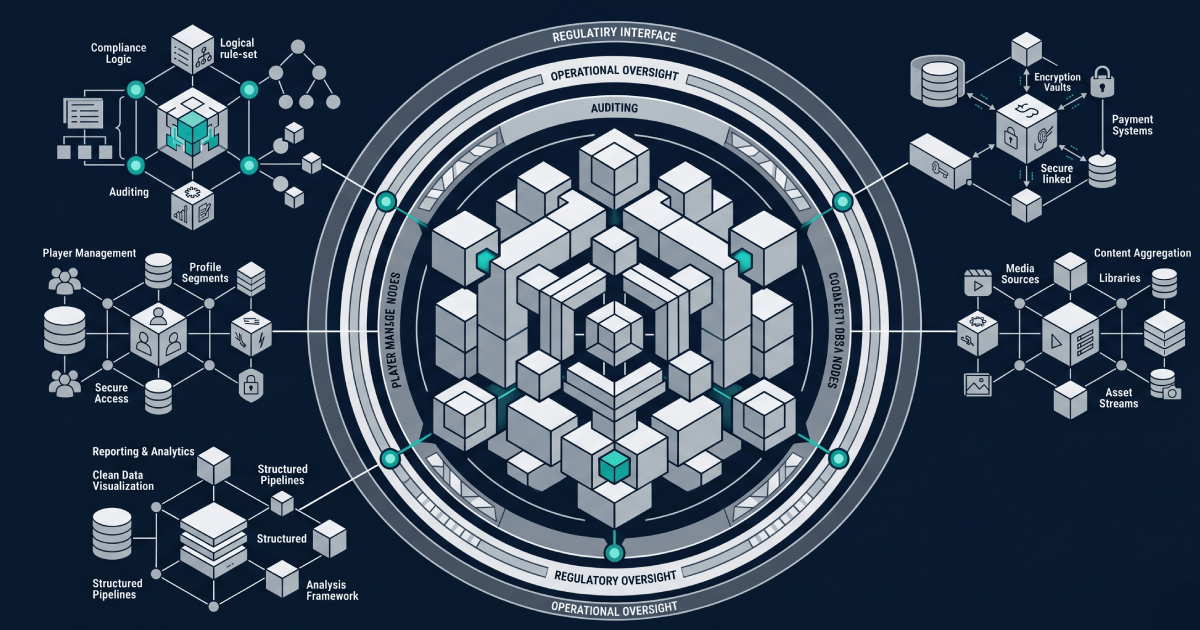
Custom casino software doesn’t eliminate complexity. It shifts it. You own the architecture, the roadmap, and the technical debt. The question is whether that ownership creates enough value to justify the investment. For operators processing meaningful volume in regulated markets, with specific product requirements and multi-jurisdiction ambitions, it usually does.
We don’t start with code. We start with a four to six week discovery phase that produces three deliverables: a technical architecture document, a compliance mapping matrix, and a phased delivery plan with defined scope per sprint.
This isn’t a formality. Discovery is where we identify the constraints that will shape every subsequent decision. Which payment processors does the operator need in each jurisdiction? What does the existing data infrastructure look like, and can it support the real-time event streaming that modern compliance and personalisation require? Are there legacy systems that need to be wrapped rather than replaced? What’s the migration path if the operator is moving off a live white-label platform?
After discovery, we move into parallel workstreams. UI/UX design and prototyping runs alongside backend architecture scaffolding. We use agile methodologies, but we’re specific about what that means: two-week sprints, working software at the end of each sprint, and a product owner embedded in the operator’s team who can make prioritisation decisions without escalating to committee.
QA testing is continuous, not a phase bolted onto the end. We run automated regression suites against every build, with dedicated manual testing for payment flows, jurisdiction-specific compliance triggers, and game integrations. Load testing happens early. We’ve seen too many platforms pass functional testing and then buckle under real traffic on launch weekend.
The typical timeline for a full custom casino platform, from discovery through to regulated market launch, is six to twelve months depending on scope. Multi-jurisdiction deployments with complex legacy migration stretch toward the upper end. Single-market launches with a focused feature set can compress significantly.
Results Are Designed, Not Hoped For
Clear Objectives. Tangible Outcomes.
Well engineered software is only part of the equation. True impact comes from aligning technology with commercial intent from the outset.
We define success early, measure consistently and refine continuously to ensure every product delivers meaningful and sustained value.

Game & Third-Party Integrations: Crafting a Unique Player Offering
A custom platform eliminates the walled garden problem. You integrate the providers you want, on terms you negotiate directly.
Game aggregators like SoftSwiss, EveryMatrix, or Pragmatic Solutions provide access to thousands of slots, table games, and live dealer feeds through a single integration point. But aggregator selection matters. Some have better coverage in specific regulated markets. Some offer more granular control over RTP configurations. Some provide richer real-time data feeds that support better analytics and personalisation.
We build the game integration layer as an abstraction that can accommodate multiple aggregators and direct provider integrations simultaneously. This gives operators the flexibility to source specific high-value titles directly from providers (often at better commercial terms) while using an aggregator for broader catalogue coverage.
Live dealer integration requires particular care. The latency sensitivity is different from RNG games. Video stream quality, bet placement timing windows, and the synchronisation between the live feed and the platform’s wallet service all need to be engineered for reliability at scale.
Beyond games, the third-party integration environment includes payment gateways, identity verification providers (for KYC), geolocation services (for jurisdiction enforcement), responsible gambling tools (GamStop, GAMSTOP API integration for UKGC-licensed operators), affiliate management platforms, and CRM/marketing automation systems. Each integration is a dependency. We manage these through contract-first API design and circuit breaker patterns that prevent a single third-party outage from cascading across the platform.
Is a Custom Platform the Right Move for Your Operation?
Not every operator should build custom. Here’s how to evaluate the decision honestly.
A custom build makes sense if you’re spending more on white-label revenue share than a custom platform would cost to build and maintain over three years. If your product differentiation strategy requires features your current vendor won’t build. If you operate (or plan to operate) across multiple regulated jurisdictions with divergent compliance requirements. If you need real-time data capabilities for fraud, AML, or personalisation that your current wallet architecture can’t support. If owning your technology stack is a strategic priority, whether for valuation purposes, acquisition readiness, or operational independence.
A custom build doesn’t make sense if you’re pre-revenue or early-stage and need to validate market fit before committing capital. If your engineering team lacks the capacity to own and operate a platform post-launch and you don’t plan to build that capacity. If your regulatory footprint is simple and stable enough that a turnkey solution genuinely meets your needs.
For operators in the first category, the question shifts from “should we build?” to “how do we de-risk the build?” That’s where working with a development partner who has regulated market experience matters. At Jadex Consulting, we’ve navigated these decisions with operators at various scales, from single-market launches to multi-jurisdiction enterprise deployments.
If you’re evaluating this decision now, we’d welcome a conversation about your specific constraints, scale, and strategic objectives. The framework above gives you the structure. The specifics require understanding your operation.
Latest from our blog
Insights & Perspectives
Our insights explore the intersection of technology, commercial strategy and disciplined execution across complex digital environments.