Custom Prize Draw Software Development for Regulated iGaming
Most prize draw tools on the market were built for FMCG brands running a summer competition on Instagram. They fall apart the moment you try to wire them into a regulated iGaming platform with wallet services, KYC obligations, self-exclusion registers, and multi-jurisdictional compliance requirements. This article breaks down the architectural, compliance, and operational decisions involved in building bespoke prize draw software for regulated operators, giving you a framework to evaluate whether a custom build makes sense and what to demand from the team that delivers it.






Generic prize draw platforms assume a simple world: collect an email address, pick a winner at random, send a notification. That model doesn’t survive first contact with UKGC‘s licence conditions, MGA‘s regulatory framework, or the technical realities of an iGaming operator’s backend.
The first failure point is business logic. Off-the-shelf tools offer fixed entry mechanics. A regulated operator needs entries tied to wagering thresholds, deposit activity, loyalty tier status, or specific game participation, all validated in real time against the player account management (PAM) system. You can’t bolt that onto a tool designed for “share to enter” mechanics without building a brittle integration layer that becomes a maintenance liability within months.
The second failure is compliance. A UKGC-licensed operator running a prize draw must ensure that self-excluded players cannot enter, that the promotion’s terms are presented in compliance with the Licence Conditions and Codes of Practice (LCCP), and that winner selection is auditable to regulatory standards. Off-the-shelf tools have no concept of GAMSTOP integration, responsible gambling triggers, or the distinction between a free draw and a lottery under UK law. Get this wrong, and you’re not dealing with a bug report. You’re dealing with a regulatory action.
Third, wallet integration. Prize fulfilment in iGaming isn’t sending a gift card. It’s crediting bonus funds with specific wagering requirements, issuing free spins on particular game providers, or adding real money to a player’s withdrawable balance. Each of these requires transactional writes to the wallet service with proper idempotency, rollback handling, and audit logging. No off-the-shelf prize draw tool provides this. So you end up with a manual process, which means operational overhead and human error in a context where every transaction is potentially auditable.
The revenue share problem compounds all of this. White-label promotion tools typically charge per entry or per draw. At scale, with daily or weekly promotions running across multiple brands and jurisdictions, the costs become material. More importantly, the vendor controls the roadmap. When MGA updates its technical standards or UKGC issues new guidance on promotional transparency, you’re waiting on a third-party vendor’s development priorities, not your own.
Results Are Designed, Not Hoped For
Clear Objectives. Tangible Outcomes.
Well engineered software is only part of the equation. True impact comes from aligning technology with commercial intent from the outset.
We define success early, measure consistently and refine continuously to ensure every product delivers meaningful and sustained value.

Engineering for UKGC, MGA, and GGC Compliance Requirements
Compliance isn’t a layer you add at the end. It’s a set of constraints that shape the architecture from the start.
UKGC: LCCP and the Free Draw Question
Under UK law, the distinction between a free draw and a lottery is critical. If entry requires payment (including an implicit requirement to gamble), the draw may constitute an illegal lottery unless it meets specific exemptions. The platform must enforce that any “free” draw provides a genuinely free entry route, and that this route is prominently presented. Your terms engine must validate that draw configurations comply with this before they go live.
LCCP Social Responsibility Code 5 requires that marketing communications are not misleading and do not target vulnerable players. The prize draw system must integrate with your responsible gambling flags to suppress promotional communications for players who have set deposit limits, self-excluded, or triggered affordability markers.
MGA: Player Protection Regulations
MGA’s framework requires that promotional terms are clear, fair, and presented before the player commits to participation. The system must enforce that terms are displayed and accepted before entry, and that those terms are versioned and stored so you can demonstrate what the player agreed to at the time of entry, not what the current terms say.
MGA also requires that operators maintain sufficient funds to cover prize obligations. If you’re running a draw with a £100,000 prize pool, the system should validate that the prize pool is funded before the draw opens, not rely on a manual finance check.
GGC: Technical Standards
Gibraltar’s Gambling Commissioner specifies technical standards for information security, system availability, and change management. Your prize draw system must comply with these alongside the rest of your platform. This means penetration testing, access control audits, and change management processes that document every code change touching the draw system.
Cross-Jurisdictional Complexity
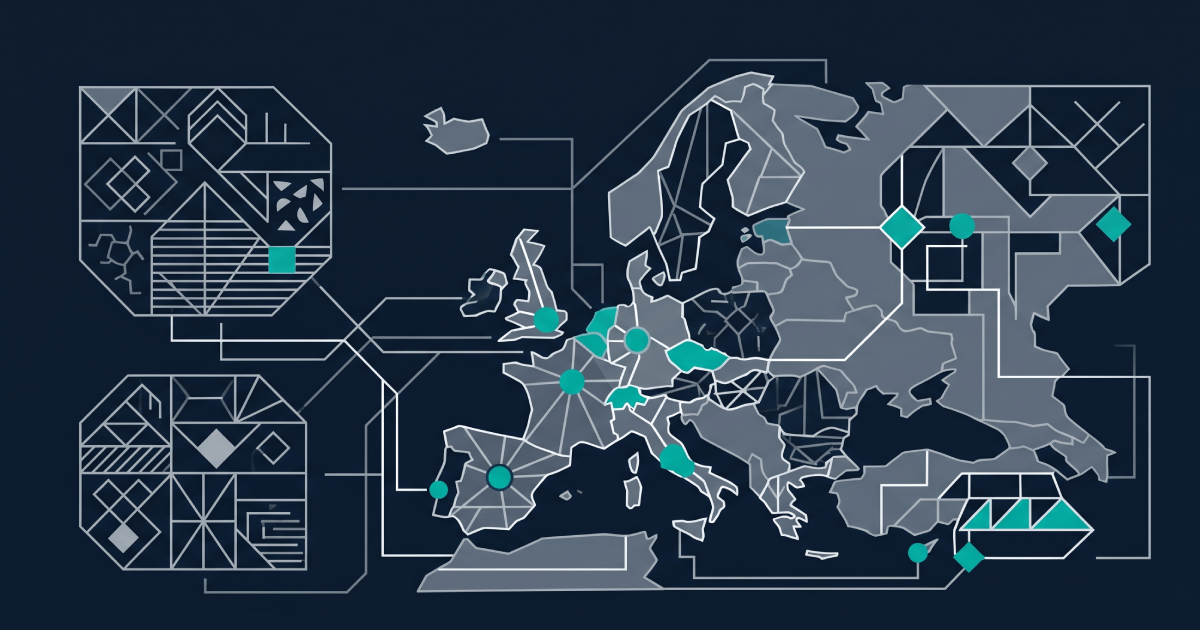
If you operate in multiple jurisdictions, the draw system must enforce jurisdiction-specific rules. A promotion that’s compliant in Malta may be non-compliant in the UK. The rules engine must support per-jurisdiction configuration, and the administration dashboard must make it impossible (not just difficult) to launch a draw in a jurisdiction where its configuration violates local requirements.
Evaluating Your Options: A Framework for Choosing Your Development Partner
When you’re scoping this build, the partner you choose matters more than the technology they propose. Here’s what to evaluate.
Regulated iGaming experience, not just “gaming” experience. Building a fantasy sports app is not the same as building promotional software that must satisfy UKGC, MGA, and GGC audit requirements. Ask for specific examples of work with tier-one operators. Ask which regulatory frameworks they’ve engineered for directly. Ask them to describe a compliance challenge they encountered on a past project and how they resolved it.
Platform integration depth. Can they demonstrate experience integrating with PAM systems, wallet services, game aggregators, and CRM platforms in live iGaming environments? A partner who has worked on platform builds or migrations for operators like Rank Group or similar tier-one licensees will understand the integration complexity. A web agency that builds “custom software” generically will not.
Architecture ownership and knowledge transfer. After delivery, you own the system. Your partner should produce documentation, architecture decision records, and operational runbooks that enable your in-house team to maintain and extend the platform. If the engagement model creates permanent dependency on the partner for routine changes, the economics will erode over three to five years.
Honest scoping. A credible partner will push back during discovery. They’ll tell you that your wallet service’s API isn’t suitable for real-time prize fulfilment and needs modification. They’ll flag that your self-exclusion check is a batch process that runs nightly, which isn’t adequate for draw entry validation. They’ll tell you what’s hard before you sign the contract, not after.
Total cost of ownership framing. Compare the three-year TCO of a bespoke build (including maintenance, hosting, and regulatory change costs) against the three-year cost of an off-the-shelf tool plus the custom integration layer you’ll inevitably build around it. In most cases, for operators running multiple promotions per week across multiple jurisdictions, the bespoke build is cheaper by year two.
The decision to build custom prize draw software is an engineering decision, a compliance decision, and a commercial decision. Treat it with the same rigour you’d apply to a PAM migration or a wallet service rebuild, because in a regulated environment, it carries the same risks and the same regulatory exposure.
Frequently Asked Questions
Latest from our blog
Insights & Perspectives
Our insights explore the intersection of technology, commercial strategy and disciplined execution across complex digital environments.