Online Prize Draw Platform Architecture: A Technical Framework for iGaming Operators
Most iGaming operators treat prize draws as a marketing bolt-on. A third-party widget, a promotional mechanic, maybe a seasonal campaign layer sitting outside the core platform. That works until compliance catches up, until the wallet integration breaks under load, until an auditor asks for a draw-level transaction trail and nobody can produce one. This article lays out a technical framework for evaluating and building an enterprise-grade prize draw platform: the architectural decisions, the compliance constraints, the integration points with PAM and wallet services, and the build vs. buy trade-offs that actually affect your three-to-five-year TCO.







A prize draw module inside a regulated iGaming operation is a fundamentally different beast from the Gleam.io or Rafflepress-style tools that dominate search results. Those platforms solve for charity raffles, social media giveaways, small-scale promotional draws. They have no concept of a regulated wallet. They don’t enforce affordability checks. They can’t produce the kind of auditable draw records that a UKGC licence condition review demands.
For a regulated operator, a prize draw platform is a product vertical. It takes money from players (ticket purchases), determines outcomes (draw mechanics), and distributes prizes (payouts to wallet or fulfilment of physical goods). That puts it squarely within the regulatory perimeter. It needs to interact with your PAM for identity verification, responsible gaming flags, and self-exclusion checks. It needs to transact through your wallet service, not around it. Every ticket purchase, every prize allocation, every refund needs to hit your transactional ledger with the same fidelity as a sportsbook bet or a casino wager.
The moment you treat prize draws as a promotional layer that sits outside your core platform, you create a compliance gap. Player funds move through systems that aren’t subject to the same controls as your primary product. Draw outcomes lack the RNG certification your slots and table games carry. And when the regulator asks how you’re monitoring draw-related spend against affordability thresholds, you’re scrambling.
The draw outcome determination mechanism is the component that will receive the most regulatory scrutiny.
UKGC Remote Technical Standards (RTS) require that any game of chance uses an RNG that has been tested and certified by an approved test house (eCOGRA, GLI, BMM, or equivalent). This applies to prize draws where the outcome is determined by chance rather than skill or merit. If your draw module uses a pseudo-random selection algorithm that hasn’t been independently certified, you have a compliance problem regardless of how statistically sound it might be.
The RNG integration architecture matters. You need to log the RNG seed, the draw timestamp, the full participant list at draw close, and the selection output. These records must be retained for the period specified by your licence conditions (typically a minimum of five years under UKGC, potentially longer under MGA depending on your licence class). The draw result must be independently verifiable. An auditor should be able to take the seed, the participant list, and the algorithm specification and reproduce the outcome.
MGA’s approach is broadly similar but differs in specifics around how progressive draws and multi-stage draws are classified. If you’re operating across both jurisdictions, your draw engine needs jurisdiction-aware RNG logging, not a single implementation that assumes one regulatory framework.
Transparency requirements also extend to the player. Draw rules, odds (where calculable), prize structures, and historical results should be accessible. This isn’t just good UX. It’s a licence condition.
Results Are Designed, Not Hoped For
Clear Objectives. Tangible Outcomes.
Well engineered software is only part of the equation. True impact comes from aligning technology with commercial intent from the outset.
We define success early, measure consistently and refine continuously to ensure every product delivers meaningful and sustained value.

The Compliance Layer: KYC, AML, and Multi-Jurisdiction Logic
Prize draws create specific compliance patterns that differ from standard casino or sportsbook activity.
KYC enforcement points vary. For a free-to-enter draw (promotional), you may only need identity verification at the prize claim stage. For a paid-entry draw, KYC must be completed before the player can purchase a ticket. Your draw module needs configurable KYC gates that can be set per draw type, not a single global policy.
AML monitoring for draw activity requires its own rule set. A player buying 500 tickets for a single draw looks different from a player placing 500 spins on a slot. Your transaction monitoring system needs to recognise draw-specific patterns: bulk ticket purchases, ticket purchases across multiple draws in rapid succession, ticket purchases that spike immediately after a deposit. If your AML monitoring sits outside the draw module’s transaction stream (because the draw module bypasses the central wallet, for instance), these patterns are invisible.
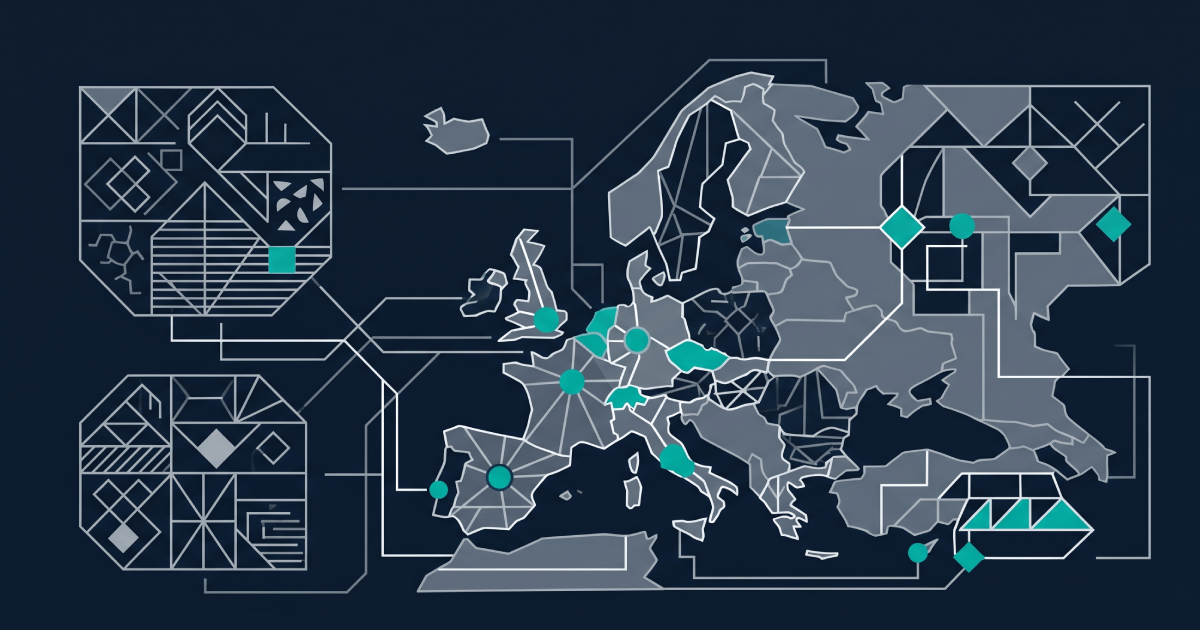
Multi-jurisdiction logic is the hardest architectural problem. UKGC requires postal free entry routes for any draw that would otherwise constitute a lottery. MGA has different rules about prize pool composition. Some US states treat paid-entry prize draws as gambling; others don’t. A draw that’s compliant in one jurisdiction may be illegal in another.
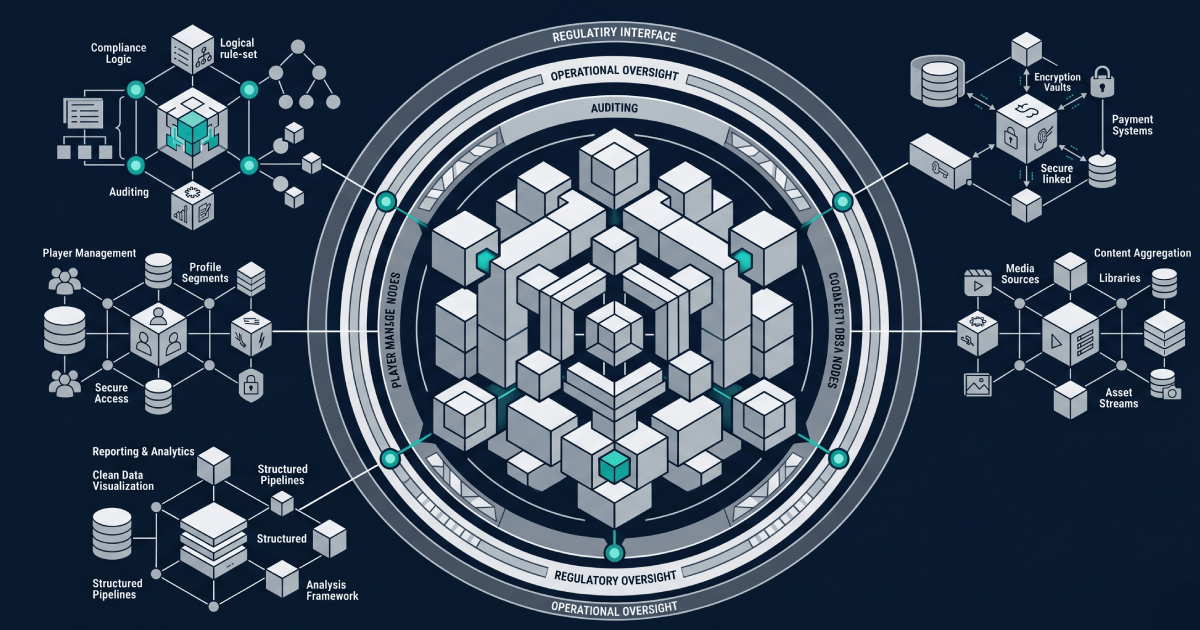
The architectural response is a rules engine that sits between the draw module and the player-facing application. Entry eligibility, ticket pricing, free entry routes, prize claim processes, and draw mechanics all pass through jurisdiction-specific rule sets. This is not configuration that should live in application code. It needs to be externalised, version-controlled, and auditable, because when a regulator asks why a player in jurisdiction X was allowed to enter a draw with mechanics that jurisdiction X prohibits, “it was a code bug” is not an acceptable answer.
A draw closing with 100,000 participants submitting last-minute ticket purchases creates a concurrency spike that looks nothing like steady-state casino traffic. Your architecture needs to handle this without degrading the player experience or, worse, losing transactions.
The ticket purchase pathway must be idempotent. Double-submissions under load cannot result in double-charges. The draw close mechanism needs to be atomic: a hard cutoff that prevents ticket purchases after the close timestamp, even if the request was initiated before close. Race conditions here create disputes and regulatory risk.
PCI DSS compliance applies to the payment pathway for ticket purchases, same as any other transaction on your platform. If your draw module introduces a new payment flow that bypasses your existing PCI-compliant payment gateway, you’ve expanded your cardholder data environment and potentially invalidated your compliance.
Anti-fraud controls specific to draws include: detection of coordinated ticket purchases across multiple accounts (syndicate play), velocity checks on ticket purchases from single accounts, and monitoring for accounts created solely to participate in high-value draws.
Data encryption at rest and in transit is baseline. Draw-specific data (participant lists, RNG seeds, outcome records) falls under the same data protection requirements as any other player data, with the added retention requirements imposed by gambling regulations.
Partnering with Jadex to Engineer Your Prize Draw Platform
Building a prize draw platform that meets the standards outlined here requires engineering teams who understand regulated iGaming at the architectural level. Not just the draw logic, but the wallet integration, the compliance orchestration, the RNG certification requirements, the multi-jurisdiction rule engines. Jadex has delivered this work for tier-one operators including Rank Group and DAZN, building platforms that operate under UKGC and MGA standards.
If you’re evaluating a prize draw platform build, migration, or integration, and the questions raised in this framework match the decisions you’re making this quarter, a technical consultation is the right next step. Bring your architecture diagrams and your compliance requirements. We’ll bring the engineering experience to tell you what will work, what won’t, and what it will actually cost.
Frequently Asked Questions
Latest from our blog
Insights & Perspectives
Our insights explore the intersection of technology, commercial strategy and disciplined execution across complex digital environments.