Cross-Platform Casino App Development: A Technical Framework for Operators
Most iGaming operators running regulated brands in 2024 face the same architectural tension: players expect native-quality mobile experiences on iOS, Android, and more on smart TVs and tablets, but maintaining separate codebases for each platform is a cost multiplier that few engineering teams can justify against tightening margins.
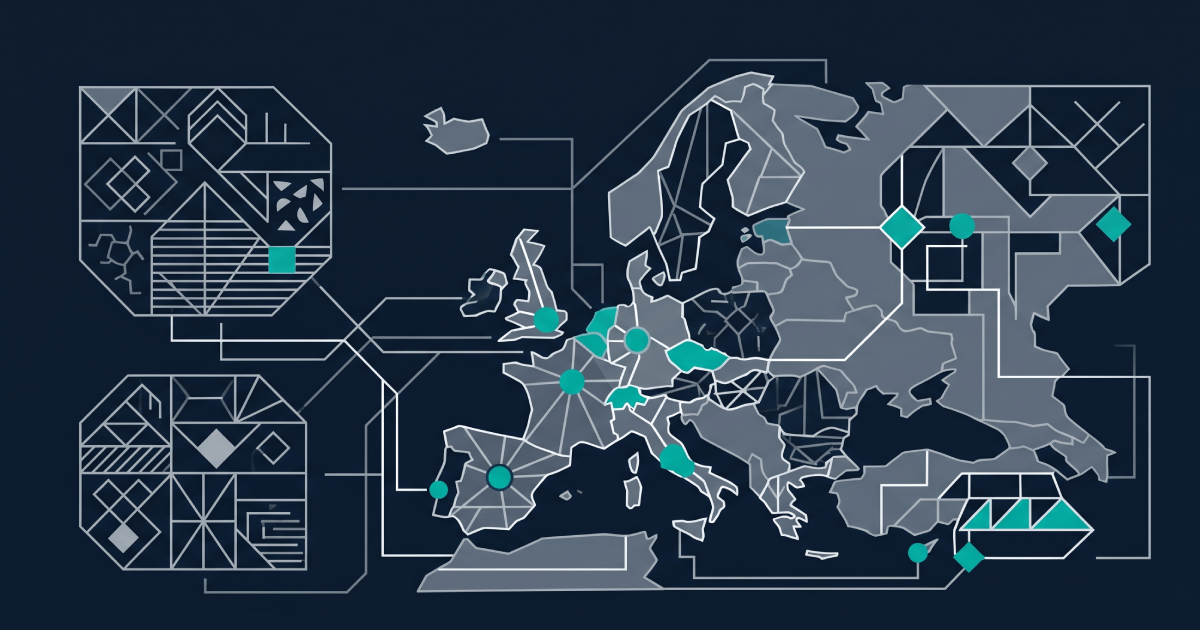
The pressure is compounding from multiple directions simultaneously. UKGC‘s ongoing tightening of affordability checks and customer interaction requirements means your platform needs to absorb regulatory feature changes faster than ever. MGA‘s changing technical standards demand auditable, consistent implementations across all client surfaces. Meanwhile, your players are bouncing the moment a lobby loads slowly on a mid-range Android device or a payment flow stutters between steps.
Cross-platform development for casino apps isn’t about cutting corners. It’s about reducing the surface area of code you maintain while preserving the performance ceiling your players and regulators demand. A single codebase (or a strategically shared one) means a regulatory change in your responsible gaming tooling gets implemented once, tested once, and deployed everywhere. That’s not a theoretical benefit. For operators managing compliance across UKGC, MGA, and Gibraltar GGC simultaneously, it’s the difference between a two-week sprint and a two-month coordination exercise across three native teams.
The operators getting this wrong are the ones treating cross-platform as a blanket architectural decision. It isn’t. It’s a spectrum of trade-offs that shift depending on whether you’re building a lobby app, a live dealer client, a 3D slot experience, or a sportsbook frontend. The framework you choose, and where you draw the line between shared and platform-specific code, determines whether you get the benefits or just inherit a new category of technical debt.










The “native vs. cross-platform” framing is a false binary for most iGaming builds. The real question is: where do you need native performance, and where does shared code give you a faster regulatory and commercial iteration cycle without unacceptable trade-offs?
Where native still wins. If your product differentiator involves advanced GPU rendering (think immersive 3D table games or VR casino experiences), native gives you unthrottled access to Metal on iOS and Vulkan on Android. Biometric authentication flows for high-value player verification are smoother through native APIs. Push notification handling, especially the kind tied to real-time responsible gaming interventions required by UKGC, is more reliable when it’s not going through a bridge layer.
Where cross-platform earns its keep. Lobby applications, account management, KYC flows, deposit/withdrawal interfaces, bonus management, and CRM-driven engagement screens. These are UI-heavy, data-driven surfaces where the visual fidelity ceiling is set by your design system, not the GPU. Code reusability across iOS and Android for these surfaces typically lands between 70% and 85%, depending on how disciplined your architecture is about separating platform-specific integrations.
The maintenance cost argument is where most operators underestimate the gap. Two native codebases don’t just cost 2x to build. They cost 2x to maintain, 2x to test against regulatory changes, and create a permanent coordination overhead between teams. When the UKGC mandates a new customer interaction trigger, you implement it twice, QA it twice, and hope both implementations behave identically under audit.
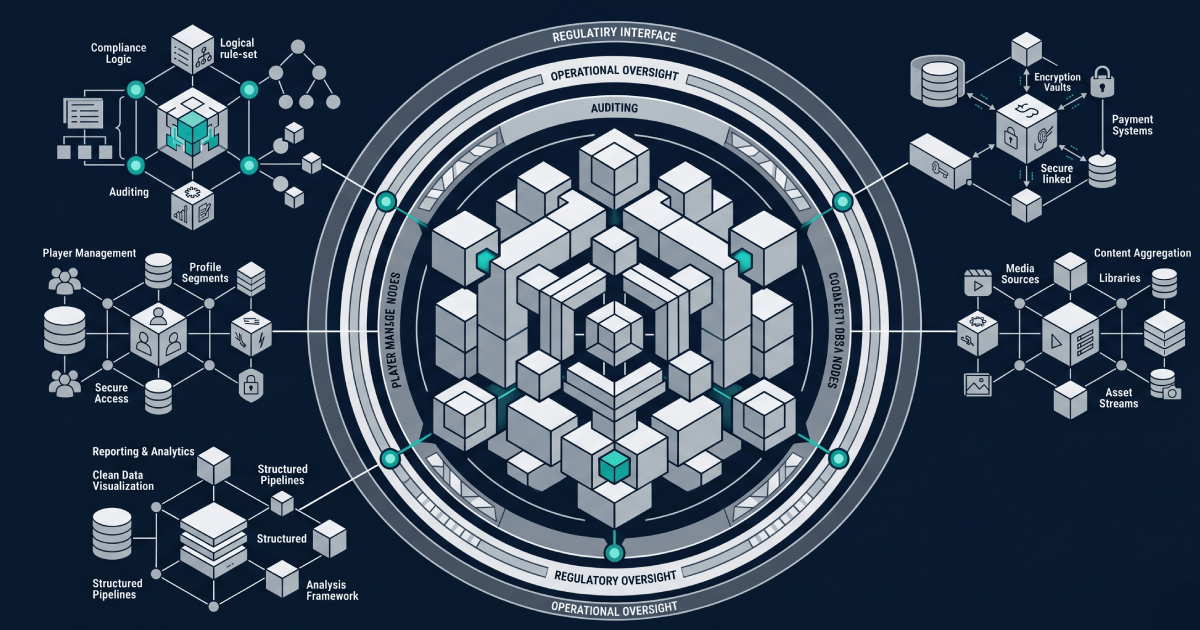
A practical approach for most regulated operators: cross-platform for the lobby shell and all transactional flows, with native or engine-specific modules for game rendering where graphical fidelity drives player engagement. This hybrid model isn’t elegant in a slide deck, but it maps to how players actually interact with your product.
Development costs drop 30% to 40% compared to fully native dual-platform builds. Time to market for new features (especially compliance-driven ones) compresses meaningfully. The catch: your architecture needs clean boundaries between shared and native layers, or you end up with a cross-platform codebase that’s harder to maintain than two native ones.
Regulatory compliance in iGaming isn’t a feature you bolt on. It’s an architectural constraint that shapes your data model, your feature flagging system, and your deployment pipeline.
Consider what changes between UKGC and MGA jurisdictions at the product level: bonus wagering restrictions, mandatory spin timer durations, affordability check thresholds and triggers, self-exclusion integration requirements (GamStop in the UK), responsible gaming message frequency and content, and data retention and deletion rules under different GDPR interpretations.
Each of these translates to conditional logic in your client. The question is where that logic lives. The answer, for most operators, is: behind a jurisdiction-aware configuration service, not hard-coded in the client. Your app should query a backend service at session start (and on jurisdiction change for multi-market players) to retrieve the applicable rule set, then enforce it locally.
This means your cross-platform codebase needs a well-designed feature flagging and configuration layer. Not a simple boolean toggle system. A configuration model that can express: “In GB, enforce a 2.5-second spin timer and display responsible gaming messaging every 15 minutes. In Malta, enforce a 3-second spin timer and display messaging every 30 minutes.”
For UKGC specifically, your app needs to integrate with the operator’s backend systems for real-time customer interaction triggers. When an affordability marker fires server-side, the client must be capable of interrupting gameplay immediately and presenting the required interaction. This isn’t a nice-to-have; failure to implement it correctly is a licence condition risk.
Data logging for regulatory audit is another architectural concern. Every significant player action (deposits, wagers, bonus claims, responsible gaming interactions) needs to be logged with timestamps, session identifiers, and jurisdiction context. In a cross-platform build, centralise this logging through a shared analytics and audit layer that writes to your backend. Don’t rely on platform-specific analytics tools for regulatory data.
Testing compliance features requires jurisdiction-specific test configurations and, ideally, automated regression tests that validate rule application per market. When the UKGC publishes new guidance (which has been frequent), you need to know your implementation handles it correctly before it reaches production.
Results Are Designed, Not Hoped For
Clear Objectives. Tangible Outcomes.
Well engineered software is only part of the equation. True impact comes from aligning technology with commercial intent from the outset.
We define success early, measure consistently and refine continuously to ensure every product delivers meaningful and sustained value.

Architecting for Player Retention and Monetization
Player retention in iGaming is ultimately a function of product quality, content variety, and how well your platform understands individual player preferences. The architecture underneath those outcomes matters.
CRM integration is where most operators see the highest return on platform investment. Your cross-platform app needs to support real-time event streaming to your CRM (Optimove, Xtremepush, or equivalent). Player actions in the client (game launches, deposit amounts, session duration, game category browsing patterns) feed the segmentation models that drive personalised offers, bonus triggers, and re-engagement campaigns.
The integration pattern: emit structured events from your shared codebase to your analytics pipeline, which feeds your CRM. Keep the event schema consistent across platforms. If your iOS app emits different event structures than your Android app, your personalisation models are working with inconsistent data, and your data team will spend more time cleaning than analysing.
Gamification layers (loyalty points, progression systems, tournaments, leaderboards) are well-suited to cross-platform implementation because they’re data-driven UI features. The game state lives server-side; the client renders progress bars, animations, and notification prompts. Build these as modular components in your shared layer so they can be iterated independently of the core app.
AI-driven personalisation is worth discussing honestly. The vendor pitch is compelling: real-time recommendation engines that surface the right game to the right player at the right moment. The reality is that these systems require a mature data infrastructure (clean event pipelines, feature stores, model serving infrastructure) before they deliver value. If your platform doesn’t currently have reliable, structured event data flowing from client to warehouse, start there. The personalisation models are the easy part compared to getting the data plumbing right.
In-app purchase flows for deposits need to be fast and frictionless. Every additional tap or loading state in a deposit flow costs you conversion. Architect your payment flows as the highest-priority performance target in your app, with pre-fetched provider configurations and minimal round-trips.
Everything discussed above requires an engineering team that understands iGaming at the architecture layer, not just the framework layer. Framework expertise is table stakes. What separates effective iGaming platform delivery is understanding wallet service architecture, game aggregator integration patterns, multi-jurisdictional compliance requirements, and the operational reality of keeping a regulated platform running while changing it.
Jadex has delivered this work for tier-one operators. The Rank Group and Mecca brands represent the kind of complex, regulated, multi-brand environment where architectural decisions have direct compliance and commercial consequences. DAZN demonstrates capability in high-concurrency, performance-sensitive applications where the user experience tolerance for latency is zero.
The engineering approach centres on honest scoping, clean architectural boundaries between shared and platform-specific code, and continuous alignment with regulatory requirements throughout the build, not just at the end. Casino platform architecture is the core discipline, not a sideline of general app development.
Building Your Next-Generation Casino App
The right cross-platform strategy for a regulated casino app balances three things: a framework choice that matches your product’s actual performance requirements (not the most impressive demo), an architecture that absorbs regulatory change without requiring rewrites, and a data layer that enables the personalisation and CRM integration your commercial team needs.
The framework is the least important of these decisions. Architecture and integration design determine whether your platform is still serving you well in three years or has become the next generation of technical debt.
The most important decision is who builds it. If your team is evaluating a platform build, migration, or modernisation, a technical consultation with engineers who have delivered regulated iGaming platforms at scale is worth more than another vendor slide deck. Start that conversation.
Frequently Asked Questions
Latest from our blog
Insights & Perspectives
Our insights explore the intersection of technology, commercial strategy and disciplined execution across complex digital environments.