Mobile Gaming Development for Regulated iGaming Operators
Mobile accounts for over 70% of gross gaming revenue for most regulated operators. What’s less discussed is how profoundly the regulatory environment distorts standard mobile development assumptions. Every architecture pattern, monetisation mechanic, and performance trade-off carries compliance implications that generic mobile gaming wisdom doesn’t account for.
A standard mobile game studio worries about frame rates and App Store featuring. A regulated operator’s engineering team worries about those things while simultaneously maintaining auditable RNG implementations, real-time responsible gambling interventions, wallet reconciliation across multiple payment providers, and KYC flows that don’t destroy onboarding conversion. All on a three-year-old Android handset over a spotty 4G connection.










The development lifecycle for a regulated iGaming mobile app diverges from standard game development almost immediately. Compliance isn’t a layer you add at the end. It’s a constraint that shapes every phase.
Pre-production starts with your Game Design Document, but the GDD for a regulated product must encode responsible gambling mechanics from the outset. Session time limits, deposit caps, reality checks, self-exclusion triggers: these aren’t features to bolt on. They’re core interaction patterns that affect UI flow, state management, and backend event streaming. Prototyping should validate not just gameplay feel but also that compliance interventions can fire without breaking the player experience or creating exploitable edge cases.
Production is where most complexity lives. Core game logic development runs in parallel with integration work that doesn’t exist in consumer gaming: wallet service APIs (often multiple providers across jurisdictions), KYC/AML verification flows, game aggregator protocols like OpenGaming Architecture or similar proprietary standards, and event reporting pipelines that feed both your analytics stack and your regulatory reporting obligations. Art and sound production for casino products is comparatively straightforward. The integration surface area is where timelines slip.
QA in regulated mobile gaming is a different animal. Beyond functional and performance testing, you need compliance testing against specific jurisdiction requirements. UKGC’s Remote Technical Standards (RTS) specify requirements for game fairness, information display, and player protection features. MGA’s technical standards carry their own set. Every test environment needs to mirror production wallet states, KYC statuses, and bonus eligibility logic. Automated regression suites need to cover compliance scenarios, not just happy-path gameplay.
LiveOps is where long-term value compounds. Content scheduling, bonus campaigns, tournament management, A/B testing of game configurations: these all need to operate within compliance guardrails. A bonus campaign that inadvertently targets self-excluded players or violates advertising standards isn’t just bad practice. It’s a licence risk. Your LiveOps tooling needs compliance rules baked into the execution layer, not just documented in a wiki that nobody checks at 2am during a campaign launch.
AI and ML in iGaming get oversold. Most operators we work with don’t have the data infrastructure to support the personalisation engines that vendors demo in sales presentations. Before investing in ML-driven game recommendations or dynamic difficulty adjustment, audit your data pipeline. Can you stream player events in real-time to a feature store? Is your player data unified across channels or siloed by product vertical? Do you have the data engineering capacity to maintain ML models in production, including retraining pipelines and drift monitoring?
Where ML delivers immediate, practical value: fraud detection and AML monitoring. Pattern recognition across transaction data, login behaviour, and gameplay patterns can flag suspicious activity faster than rules-based systems. This is a compliance enabler, not a feature play, and it’s where we’d recommend starting if your data infrastructure can support it.
5G’s impact on mobile iGaming is real but narrow. The primary beneficiary is live dealer and live casino products, where reduced latency and higher bandwidth enable smoother video streaming and faster interaction. For standard casino products (slots, RNG table games), 5G changes very little because these products are not bandwidth-constrained on 4G.
Player expectations are shifting toward instant, app-like experiences regardless of delivery channel. Progressive Web Apps (PWAs) are gaining traction as a distribution mechanism that sidesteps app store restrictions. PWA capabilities have improved significantly, though they still can’t match native apps for push notification reliability on iOS or background processing. For operators in jurisdictions where app store distribution is restricted or unreliable, PWAs deserve serious evaluation.
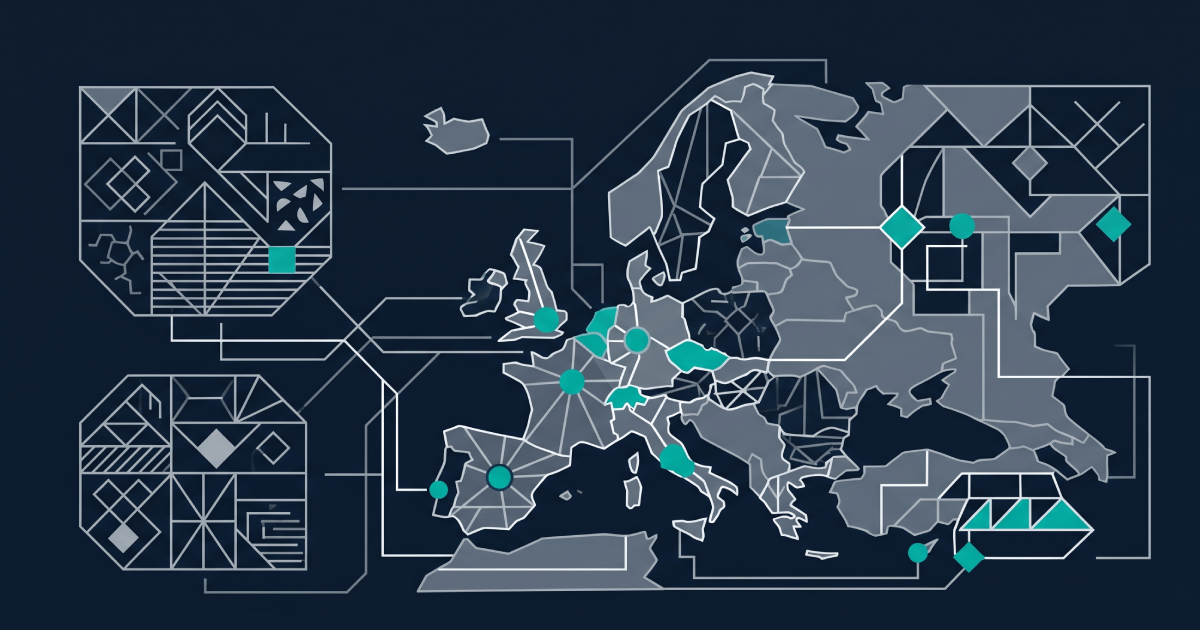
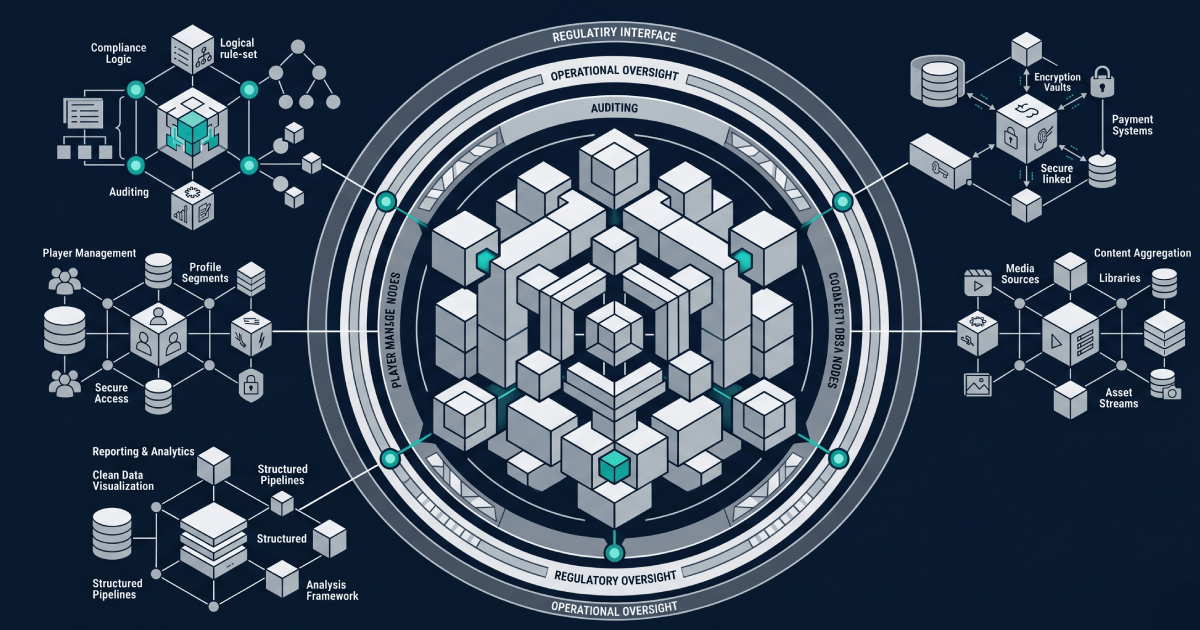
The most important trend isn’t technological. It’s regulatory convergence. UKGC, MGA, and GGC requirements are becoming more prescriptive about game design itself… If adding a new responsible gambling intervention requires a code deployment rather than a configuration change, your architecture isn’t ready for the regulatory environment of the next three years. The architectural foundation that enables this sits in our headless casino architecture guide.
Results Are Designed, Not Hoped For
Clear Objectives. Tangible Outcomes.
Well engineered software is only part of the equation. True impact comes from aligning technology with commercial intent from the outset.
We define success early, measure consistently and refine continuously to ensure every product delivers meaningful and sustained value.

Monetisation Models Under Regulatory Scrutiny
Monetisation in regulated iGaming operates under constraints that would be unrecognisable to a consumer mobile game studio.
Real-money wagering is the primary revenue model, obviously. But the mechanics around how players deposit, wager, and withdraw are heavily prescribed. UKGC’s requirements around affordability checks, source of funds verification, and frictionless withdrawal (operators cannot make withdrawal harder than deposit) all have direct UI/UX and backend architecture implications. Your wallet service architecture needs to support real-time balance checks, pending withdrawal states, and regulatory holds without introducing latency that degrades the mobile experience.
Bonus mechanics are the closest equivalent to consumer gaming’s in-app purchases, and they’re where regulatory scrutiny is tightest. Wagering requirements, bonus terms transparency, maximum win caps from bonus funds: UKGC has progressively tightened requirements around how these are presented and how easily players can understand them. Your bonus engine needs to be auditable and its rules expressible in a way that both compliance teams and regulators can inspect.
Loot box mechanics deserve direct discussion. The UK Gambling Commission has consistently stated that loot boxes may constitute gambling if they meet certain criteria (paying money, determined by chance, receiving a prize). If your product includes any mechanic where a player pays for a randomised outcome with variable value, you need legal sign-off specific to each jurisdiction. Belgium banned them outright. The Netherlands took enforcement action. UKGC has signalled continued attention. Design these mechanics out of your product unless you have specific, jurisdiction-level legal clearance.
In-app advertising (rewarded video, interstitial) works for free-to-play casino products but carries its own compliance risks. Advertising standards for gambling products are strict across UKGC and MGA jurisdictions. Any ad-funded model needs to ensure ad content itself doesn’t violate gambling advertising regulations, and that ad frequency doesn’t interfere with responsible gambling messaging or mandatory information displays.
Subscription models are emerging for premium content tiers (exclusive games, enhanced loyalty programmes). These are relatively clean from a regulatory perspective but need careful structuring to avoid being characterised as gambling expenditure for affordability check purposes.
Running separate native iOS and Android codebases for a regulated iGaming product is expensive in ways that go beyond development hours. Every compliance change, every regulatory update, every responsible gambling feature modification has to be implemented, tested, and deployed twice. In regulated markets where UKGC or MGA can mandate changes with tight turnaround windows, that duplication becomes a licence risk, not just an engineering inconvenience.
A single codebase deploying to both platforms through Unity (or a framework like Flutter/React Native for wrapper-layer products) cuts implementation time for new features by roughly 30-40% compared to dual native builds. More importantly, it halves your compliance regression testing surface.
Platform-specific optimisation still matters within a shared codebase. iOS devices have a narrower hardware range, which simplifies performance profiling but introduces strict App Store review requirements for real-money gaming apps (more on this below). Android’s device fragmentation is the bigger engineering challenge. Your target player demographic may skew toward mid-range and older devices, particularly in markets outside Western Europe. Building performance profiles for device tiers (not just screen resolutions, but chipset families and RAM thresholds) prevents the worst user experience failures.
The cost argument is straightforward. A cross-platform approach using Unity typically runs 1.3-1.5x the cost of a single platform build, not 2x. For an operator deploying across iOS, Android, and potentially web, that saving compounds across every subsequent feature release and compliance update for the lifetime of the product.
Partnering for Platform Architecture and Delivery
Building mobile gaming products for regulated markets requires the intersection of strong mobile engineering, deep iGaming domain knowledge, and practical regulatory awareness. Most development partners have one of these. Few have all three.
At Jadex Consulting, we’ve delivered platform builds and migrations for tier-one operators including Rank Group and DAZN, working at the architecture layer where mobile performance, compliance requirements, and integration complexity intersect. We understand the difference between a product that demos well and a platform that survives its first UKGC audit.
Our approach starts with honest assessment. We’ll tell you where a white-label makes more sense than a custom build for your specific commercial and regulatory context. We’ll identify the integration points where your current architecture is accumulating risk. We’ll scope realistic timelines that include the compliance testing and app store review cycles that other partners overlook.
If you’re evaluating a platform migration, scoping an RFP, or trying to understand the true total cost of ownership for your mobile gaming stack over the next three to five years, we should talk. The build vs buy framework sits in our B2B research cluster if you want to read the strategic frame first. Not to sell you a platform, but to help you make the architectural decisions that your business and your licence depend on.
Latest from our blog
Insights & Perspectives
Our insights explore the intersection of technology, commercial strategy and disciplined execution across complex digital environments.