iGaming outsourcing vs in-house is a different decision from build vs buy. Build vs buy decides whether the operator owns the platform. Outsourcing vs in-house decides who builds and runs it. Both decisions can go either way independently — an operator can build with an outsourced partner, or licence a platform and run it with an in-house team. This guide is about the team and capability model, not the platform ownership question.
Key Takeaways
- Outsourcing vs in-house is a team capability decision, separate from the build vs buy decision about platform ownership.
- In-house engineering teams build deep domain expertise but require 6-18 month ramp and ongoing recruitment investment.
- Outsourced development partners deliver capability from day one but require sophisticated vendor management.
- Most successful iGaming operators run hybrid teams: in-house engineering leadership with outsourced specialist capability for specific workstreams.
- The right model depends on operator scale, engineering culture maturity, and the strategic role of platform engineering — not on cost alone.
Why outsourcing vs in-house is the wrong framing
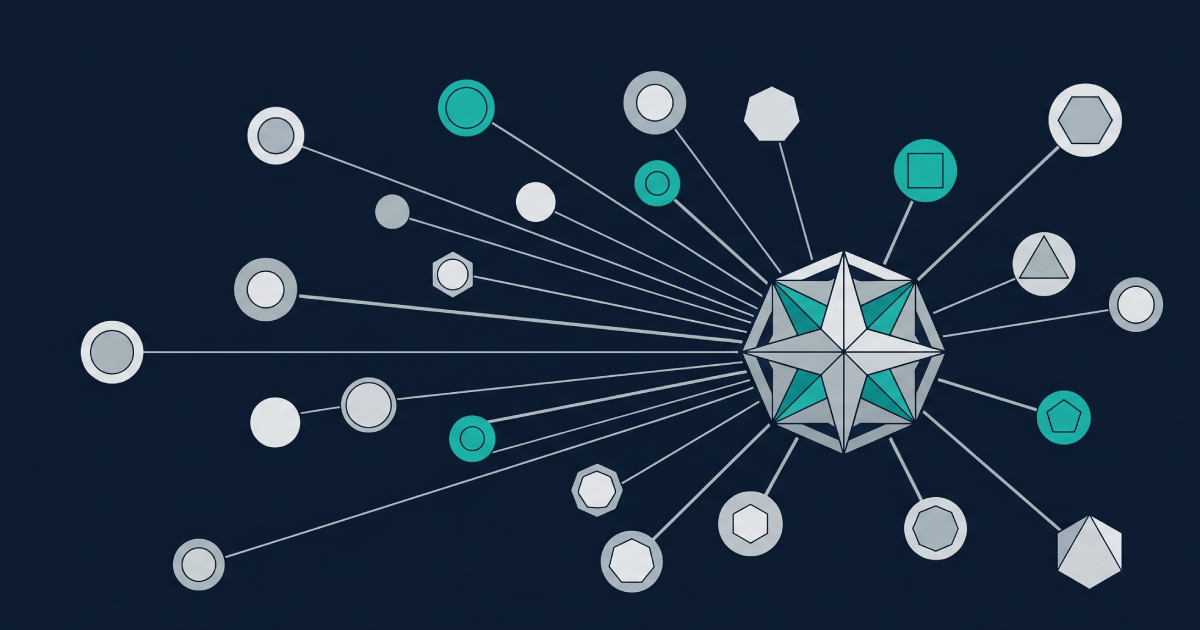
The binary framing produces poor decisions because most operators don’t actually run pure models. The CTO is in-house. The engineering manager is in-house. Then there’s an offshore team for frontend development, a specialist partner for the wallet service, an outsourced QA team, and contractor support for compliance projects. That’s not “outsourced” or “in-house” — it’s a structured hybrid where different capabilities sit in different places based on what each capability requires.
The better framing is: for each engineering capability your platform needs, what’s the right organisational location? Some capabilities benefit from being in-house — strategic platform decisions, regulatory engineering, customer-facing product engineering. Others benefit from being outsourced — specialist integrations, peak capacity work, ancillary systems where domain expertise from a partner exceeds anything an operator could hire.
This guide works through the capability framework. The platform ownership question — build a custom platform or licence one — is covered separately in our casino platform build vs buy guide. Either platform decision can be delivered through any team model.
The six capability dimensions that drive the decision
Six dimensions consistently determine whether a specific capability should be in-house or outsourced. Operators who run the analysis per-capability rather than as a single platform-wide decision produce better team structures.
1. Domain expertise requirement
Some capabilities require deep iGaming-specific expertise: wallet service architecture, responsible gambling tooling, KYC orchestration, game aggregator integration. Operators building these capabilities in-house typically need 6-18 months to develop competency, longer for senior engineering leaders. A specialist outsourcing partner can deliver capability from day one because their team has done it across multiple operators.
The trade-off: in-house teams develop operator-specific context that improves over time. Outsourced partners deliver immediate generalist competency but may lack the deep operator-specific nuance.
2. Commercial flexibility
In-house teams are fixed cost. Hire a senior engineer, you pay that salary regardless of workload variance. Outsourced partners scale up and down. Engaging a partner for a 6-month delivery cycle and standing them down afterward is straightforward in a way that hiring-then-firing isn’t.
The trade-off: fixed-cost engineering investment compounds value over time when the team is well-utilised. Variable-cost partner engagement avoids paying for capability you don’t always need but can cost more per delivered unit of work.
3. Recruitment burden
The iGaming engineering talent market is structurally tight. Senior platform engineers with regulated-market experience are scarce. Hiring against this market takes 4-6 months per senior role, often longer. Operators in Gibraltar, Malta, Cyprus, or other gambling hubs face additional constraints around relocation, visa sponsorship, and competition with established operators.
Outsourced partners absorb the recruitment burden. Their business model is having the talent already; their hiring pipelines run continuously.
4. Knowledge retention
In-house teams retain knowledge within the operator. Engineers who built the wallet service understand its history, its compromises, and why specific decisions were made. That context survives across years and informs future decisions.
Outsourced partners create knowledge dependency. When a partner engagement ends, much of the institutional knowledge leaves with them — unless the operator has invested deliberately in documentation, handover, and knowledge transfer processes. Operators who treat partner engagements as “deliver and leave” consistently end up with platforms they can’t maintain.
5. Roadmap control
In-house teams report into the operator’s product and engineering leadership. Roadmap is fully controlled by the operator. Priorities can shift weekly based on commercial reality.
Outsourced partners work on agreed scope. Changing scope mid-engagement is contractually possible but operationally complex. Operators with rapidly shifting product strategies often find partner engagements harder to manage than in-house teams.
6. Time to capability
Building an in-house engineering team takes time. Hiring a senior platform lead, then engineering managers, then the engineering team beneath them — 6-12 months from decision to functional team. Building culture, processes, and standards on top of the headcount takes another 6-12 months.
Engaging an outsourced partner takes 2-4 weeks from contract signing to active delivery. For operators with launch-window commercial pressures, this difference is often decisive.
Capability mapping: what typically sits where
Among operators who run hybrid models effectively, certain patterns recur. Capabilities that typically benefit from being in-house:
- Engineering leadership and architecture. CTO, head of platform, principal engineers. Strategic decisions that compound over years.
- Product engineering. Engineers working on customer-facing product experiences where iteration speed matters and operator context is critical.
- Regulatory engineering. Compliance is operator-specific. Engineers handling RG, KYC, AML need deep operator and jurisdiction context. The wider framework sits in our responsible gambling technology trends guide.
- Data and analytics platform. Sensitive operator data, ongoing analysis needs.
- Operations and incident response. Production systems need teams who own them.
Capabilities that typically benefit from outsourcing:
- Wallet service engineering. Specialist domain where partner expertise typically exceeds operator capability.
- Game aggregator integrations. Repetitive integration work where partner pattern libraries compound value.
- Specialist front-end builds. Where the operator needs occasional capability surges rather than ongoing capacity.
- Mobile app development. Often peak-and-trough work pattern matching outsourced model.
- QA at scale. Where outsourced QA partners maintain test libraries across multiple clients.
- Platform modernisation programmes. Time-bounded, specialist-heavy work. The wider context sits in our iGaming platform modernisation guide.
Capabilities that consistently fail when outsourced:
- Critical incident response. Partner response times typically don’t match operator urgency.
- Security and breach response. Needs to be operator-controlled.
- Day-to-day product decisions. Need operator product team ownership.
The cost comparison most operators get wrong
Headline cost comparisons favour outsourcing. A senior in-house engineer in Gibraltar costs £120-150k fully loaded annually. An equivalent capability through an outsourced partner might cost £80-100k for comparable work. On paper, outsourcing wins.
The headline comparison misses three structural factors:
Utilisation. In-house engineers deliver consistently across the year. Partner engagements often include ramp-up, ramp-down, and gap periods between projects. Effective utilisation of a partner is typically 70-85% of contracted time, not 100%.
Coordination overhead. Outsourced partners require deliberate coordination — daily standups, written specs, structured handovers. The operator’s engineering management spends 15-25% of capacity managing partner engagements that would be 5-10% with in-house teams.
Knowledge transfer cost. Partner engagements require explicit knowledge transfer that in-house teams handle implicitly. Documentation effort, code review processes, architectural decision records — all higher overhead with partners.
Properly costed, outsourced engagements typically run 80-95% of in-house cost for equivalent delivered value, not the 50-70% headline ratio suggests. The reason to outsource is rarely pure cost — it’s capability access, commercial flexibility, or specialist expertise.
Partner selection mechanics
Operators choosing outsourcing partners face a parallel selection process to choosing platform vendors. Many of the same principles apply, covered in our how to choose a casino software provider guide. The criteria differ in three important ways:
Cultural and working-style fit. Engineering partners work alongside operator teams daily. Communication style, time zone alignment, and working practices matter more than for platform vendors where the integration is structural rather than collaborative.
Talent depth and bench strength. The partner’s ability to staff the engagement matters more than headline credentials. Verify that the engineers proposed for the engagement are the engineers who’ll deliver, not senior staff who’ll hand off to junior team members.
Knowledge transfer commitment. Partners willing to document, train, and hand over capability are structurally different from partners optimised for ongoing engagement. The former protects operator interests; the latter creates dependency.
Common decisions that signal mistakes
Four decision patterns consistently produce worse outcomes than alternatives:
Pure in-house for capability surges. Hiring an in-house team to deliver a 12-month modernisation programme. The team is over-resourced after the programme completes, then either gets reassigned to lower-value work or laid off. Outsourced delivery would have matched capability to need.
Pure outsourcing for ongoing platform operations. Outsourcing the entire engineering function to a single partner. The operator loses domain expertise, lacks negotiating leverage in contract renewals, and ends up dependent on the partner’s commercial health. Pattern repeats across iGaming operators who’ve tried it.
Outsourcing without management capacity. Operators who outsource specialist work without having in-house engineering management to oversee it. The partner over-delivers on the visible work and under-delivers on the architectural decisions that compound. Partners need operator-side technical oversight to produce good outcomes.
Body-shop hiring at senior level. Using contract recruitment for senior engineering roles to avoid the time and cost of permanent hiring. Contractors at senior level work but rarely build the operator-specific context that compounds — they optimise for their own portability rather than operator long-term value.
FAQ
What is the difference between outsourcing and in-house for iGaming platform development?
In-house means engineering capability sits within the operator’s organisation as permanent employees reporting to operator leadership. Outsourcing means engineering capability sits with a partner organisation engaged on contract for specific delivery. The decision is independent of the build vs buy decision about platform ownership — operators can build custom platforms with outsourced partners, or licence platforms and operate them with in-house teams.
When does in-house engineering work best for iGaming operators?
In-house teams work best for engineering leadership, customer-facing product engineering, regulatory engineering, data platform work, and production operations. These capabilities benefit from operator-specific context that builds over time and from direct operator control over priorities and decisions. Operators above £20-30M annual GGY with multi-year platform strategies typically favour in-house leadership at minimum.
When does outsourcing work best for iGaming platform development?
Outsourcing works best for specialist domain work (wallet services, aggregator integrations), peak capacity surges, mobile app development, QA at scale, and time-bounded modernisation programmes. The common factor is that these capabilities benefit from partner pattern libraries and specialist expertise that exceed what most operators can develop internally, and the work pattern matches partner engagement models.
What is a hybrid team model and why is it common in iGaming?
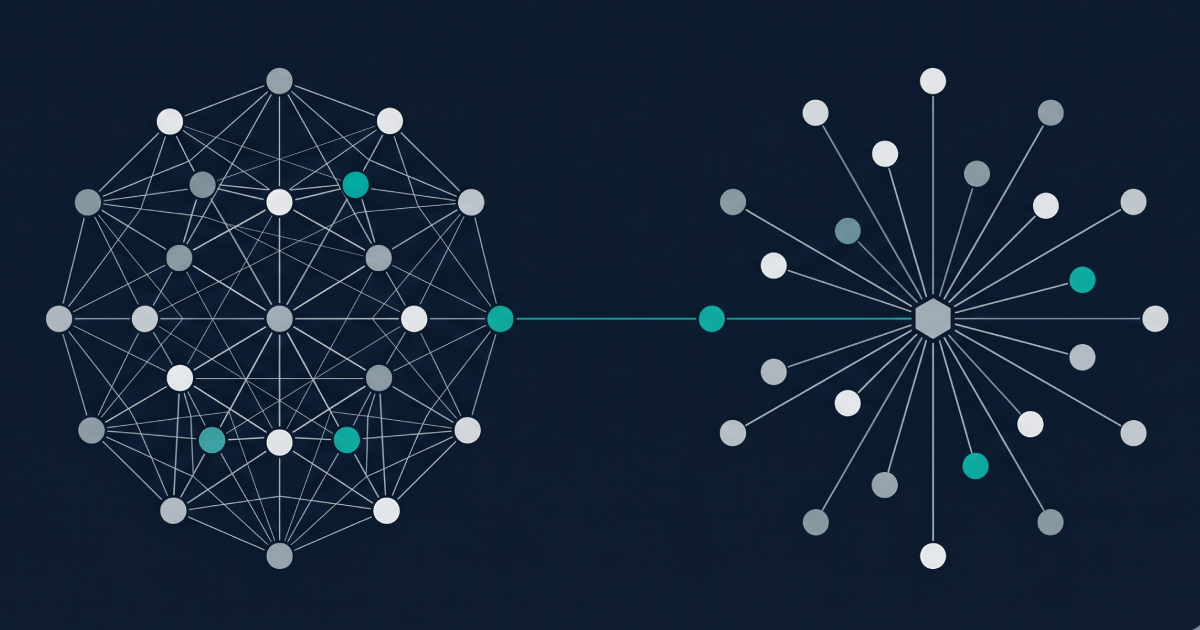
Hybrid models combine in-house engineering leadership with outsourced specialist capability for specific workstreams. The operator owns strategic decisions and operator-specific capability while partners deliver specialist or peak-capacity work. This is the most common model among successful iGaming operators because pure in-house misses specialist depth and pure outsourcing creates structural dependency.
How does outsourcing affect total cost compared to in-house engineering?
Headline rates favour outsourcing (typically 50-70% of in-house cost), but total cost comparison is closer to 80-95% when utilisation, coordination overhead, and knowledge transfer are properly costed. The structural reason to outsource is rarely pure cost — it’s capability access, commercial flexibility, or specialist expertise that in-house teams can’t match within reasonable timelines.
Next step
If you’re structuring engineering capability for an iGaming platform — whether building a new platform or scaling capability around an existing one — speak to Jadex’s iGaming engineering team. We work with operators as a specialist development partner for platform engineering, modernisation programmes, and capability surge work, alongside operators’ in-house teams. See our full iGaming development capability.
About the Author: admin