Sports Betting Platform Architecture: Core Components & Strategic Decisions
Most sports betting platforms weren’t designed for the regulatory environment they now operate in. They were built for speed to market, bolted onto white-label frameworks, or inherited through acquisition. Now they’re buckling under UKGC affordability checks, multi-jurisdiction licensing requirements, and player expectations shaped by consumer fintech apps. This article breaks down the architectural components that matter, the strategic decisions that shape a platform’s trajectory over a three to five year horizon, and the trade-offs we see operators consistently underestimate.










White-label sportsbook platforms solved a real problem ten years ago. They let operators launch quickly, avoid upfront engineering investment, and focus on marketing and player acquisition. That bargain has aged poorly.
The revenue share model that seemed acceptable at launch compounds into millions in margin erosion by year three. Worse, the operator doesn’t own the roadmap. When the UKGC tightened affordability and customer interaction requirements through its formal guidance updates, operators on shared white-label codebases had to wait for their vendor to prioritise those changes. If the vendor served multiple markets, UKGC-specific compliance work competed with features for other jurisdictions. Operators with their own platforms shipped the changes. Those on white labels filed support tickets. The strategic framework sits in our casino platform build vs buy guide.
Technical debt on legacy platforms creates a different but equally painful bind. Monolithic backends where the bonus engine, wallet, PAM, and sportsbook are tangled into a single deployable unit mean that a regulatory change to self-exclusion logic can require a full regression cycle across unrelated systems. We’ve seen operators where a single UKGC compliance change takes 12 weeks from requirement to production, not because the code is complex, but because the deployment risk across the monolith is unacceptable without extensive manual testing.
The commercial pressure compounds. Players now expect sub-second bet placement, real-time cash-out, and native mobile experiences that rival consumer apps. Legacy platforms struggle here because their architecture was designed for desktop-era interaction patterns and batch-processed settlement cycles.
The question isn’t whether your platform needs to change. It’s whether you drive that change deliberately or let regulation and market pressure drive it for you. Five-year TCO modelling for the decision sits in our iGaming platform total cost of ownership guide.
Compliance isn’t a feature you add. It’s a set of constraints that shape every architectural decision.
UKGC requirements are the most prescriptive in the industry. The 2024 customer interaction guidance requires operators to identify early indicators of harm and act on them in near-real-time. That means your platform needs to process behavioural signals (time on site, deposit velocity, loss-chasing patterns, session duration) continuously, not in overnight batch jobs. If your data pipeline has a six-hour lag, your compliance response has a six-hour lag. Wider trajectory in our responsible gambling technology trends guide.
UKGC also mandates specific technical controls: age verification before gambling, GAMSTOP checks, clear display of time and spend, and single customer view across products. Each of these has an engineering implementation that needs to be baked into the platform, not patched in via middleware.
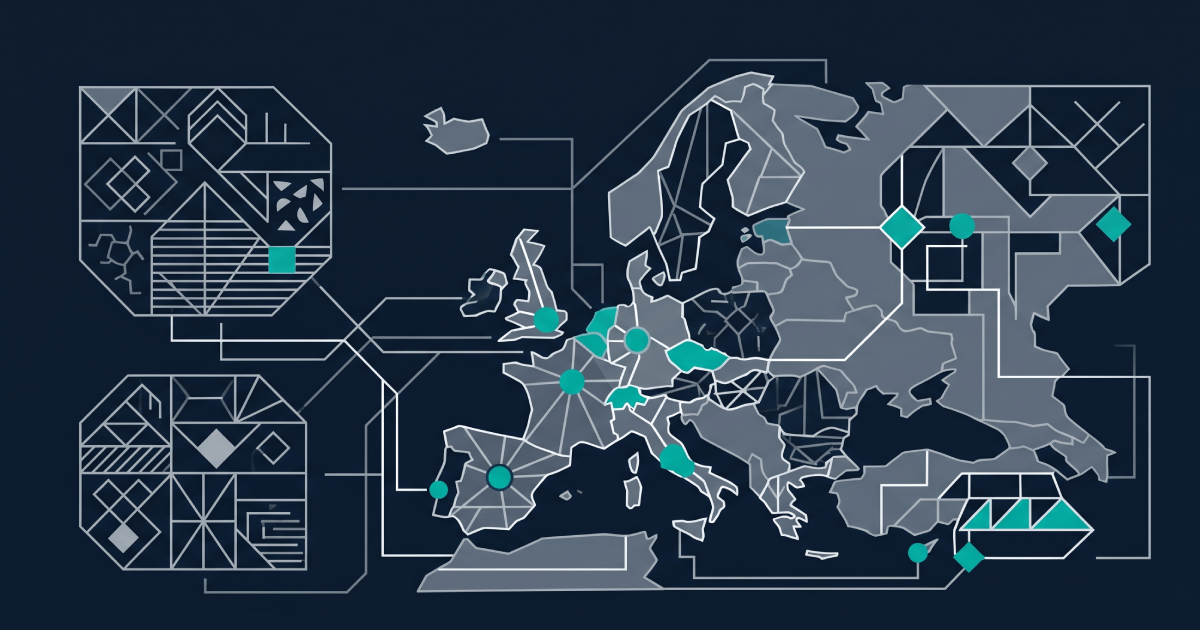
MGA requirements overlap with UKGC but differ in specifics. MGA’s Player Protection Directive mandates specific self-exclusion workflows, cooling-off periods, and reality check frequencies. If you’re deploying the same platform to both jurisdictions, your compliance logic needs to be configurable per jurisdiction, not hardcoded.
US state frameworks add another layer. Each state has its own licensing requirements, geolocation mandates (accurate to the state border), and taxation rules. Pennsylvania, New Jersey, and Michigan all have different technical standards for server-based gaming. Your platform needs a geolocation service that isn’t just accurate but auditable, because regulators will audit it.
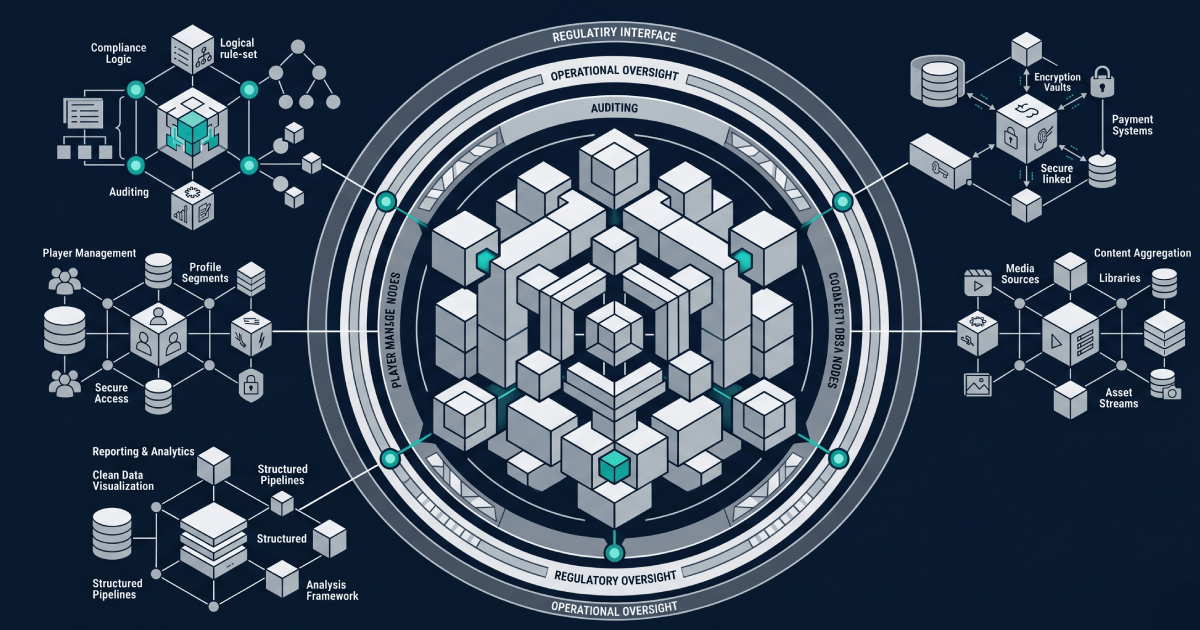
The engineering pattern that works: abstract compliance rules into a configurable rule engine that sits between your core platform logic and jurisdiction-specific requirements. Hard things to get right include making this performant (rule evaluation on every bet placement adds latency) and maintainable (regulations change quarterly, not annually).
Results Are Designed, Not Hoped For
Clear Objectives. Tangible Outcomes.
Well engineered software is only part of the equation. True impact comes from aligning technology with commercial intent from the outset.
We define success early, measure consistently and refine continuously to ensure every product delivers meaningful and sustained value.

Payment Gateway and Wallet Service Integration
Payment processing in regulated gambling carries constraints that general e-commerce platforms don’t face.
Card issuers in the UK apply gambling-specific MCC codes that trigger additional friction, higher decline rates, and in some cases, outright blocks. Open Banking has become a viable alternative for deposits in UK markets, but adoption is uneven and the user experience varies by bank. Your payment orchestration layer needs to support multiple methods and route intelligently based on success rates, cost, and player preference.
A payment orchestration layer (not a single gateway integration) is the right pattern. This lets you:
- Route transactions across multiple PSPs based on cost, success rate, and currency
- Add or remove payment methods per jurisdiction without touching core platform code
- Implement cascading: if the primary PSP declines, automatically retry via a secondary route
- Apply fraud rules at the orchestration layer before transactions hit the PSP
Withdrawal processing is where regulatory complexity concentrates. UKGC requires that withdrawals be processed without reverse withdrawal options and with minimal delay. Your platform needs to support KYC verification at the withdrawal stage (if not already complete), source of funds checks for higher-value withdrawals, and AML transaction monitoring that can flag suspicious patterns before the funds leave your account.
Reconciliation between your wallet service, PSPs, and accounting systems is unsexy but operationally important. Mismatches between wallet balances and PSP settlement reports create both financial risk and regulatory exposure.
The strongest architectural pattern for sports betting frontends is headless: a decoupled frontend consuming a well-documented API layer, with no presentation logic in the backend.
This approach solves several problems simultaneously. Your iOS, Android, and web experiences can be built by separate teams using native toolkits, all consuming the same API contracts. When you rebrand or redesign, you’re changing the presentation layer without touching backend services. When you launch in a new jurisdiction, you can ship a localised frontend without forking your entire codebase.
The performance argument is concrete. A React or Next.js web app consuming a purpose-built BFF (backend-for-frontend) layer will outperform a server-rendered page from a monolithic platform on every Core Web Vitals metric. Given that most sportsbook sessions now originate on mobile, and that bet placement conversion correlates directly with page load time and interaction responsiveness, this is a commercial argument, not just a technical preference.
The API layer itself needs careful design. Your bet placement API must handle idempotency (duplicate requests from unreliable mobile networks shouldn’t create duplicate bets), optimistic concurrency (odds may have changed between display and placement), and graceful degradation (if the risk engine is slow, the user should see a clear state, not a spinning loader).
We’ve worked with operators where moving to a headless architecture improved mobile conversion by measurable margins, simply because the native app could be optimised for interaction patterns that the legacy web-wrapped experience couldn’t support.
Defining Your Platform Strategy with Jadex Consulting
The decisions covered here (architecture selection, PAM ownership, data infrastructure investment, migration approach) compound over a three to five year horizon. Getting them right means your platform absorbs regulatory change without heroics, scales for peak events without over-provisioning, and gives your product team the freedom to differentiate.
Getting them wrong means you’re back in the same conversation in 18 months, with more technical debt and less time to fix it.
At Jadex Consulting, we’ve worked through these decisions with tier-one operators including Rank Group and DAZN Bet. We bring engineering depth from inside regulated iGaming environments, not generic software consultancy applied to gambling. Our focus is helping operators define and execute platform strategies grounded in the reality of their regulatory obligations, commercial constraints, and engineering capacity.
If you’re evaluating a platform build, migration, or modernisation, we’d welcome a conversation about where you are and what the realistic options look like. The vendor selection framework and RFP template in our B2B research cluster give you the structure to run the evaluation. No pitch deck. Just an honest technical assessment of your position and the trade-offs ahead.
Latest from our blog
Insights & Perspectives
Our insights explore the intersection of technology, commercial strategy and disciplined execution across complex digital environments.