On This Page
Personalisation in iGaming is an architecture problem before it's a product problem. The decisions that determine whether you can deliver relevant, timely player experiences at scale are made during platform design, not after launch. Getting those decisions wrong means expensive rework on a live system.
What personalisation in iGaming actually requires
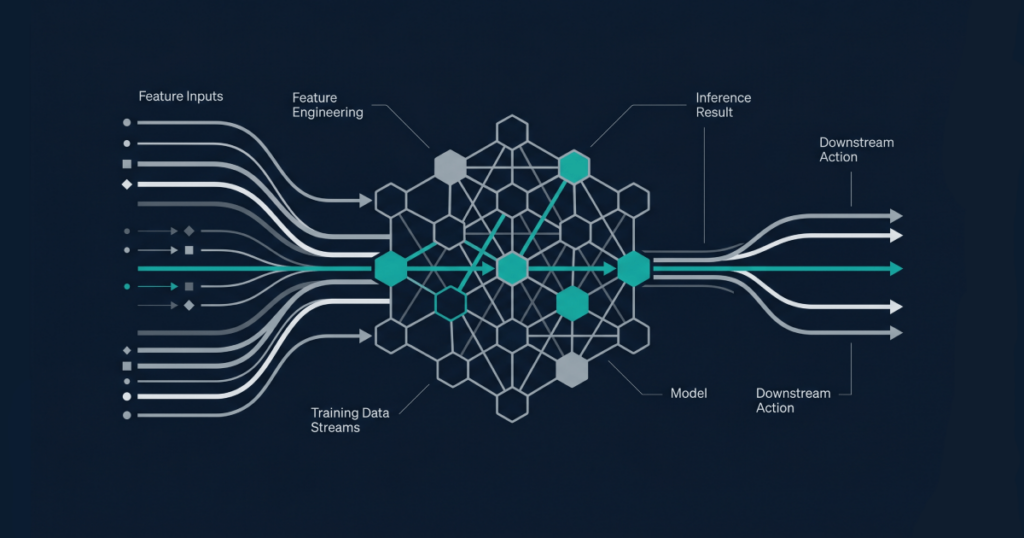
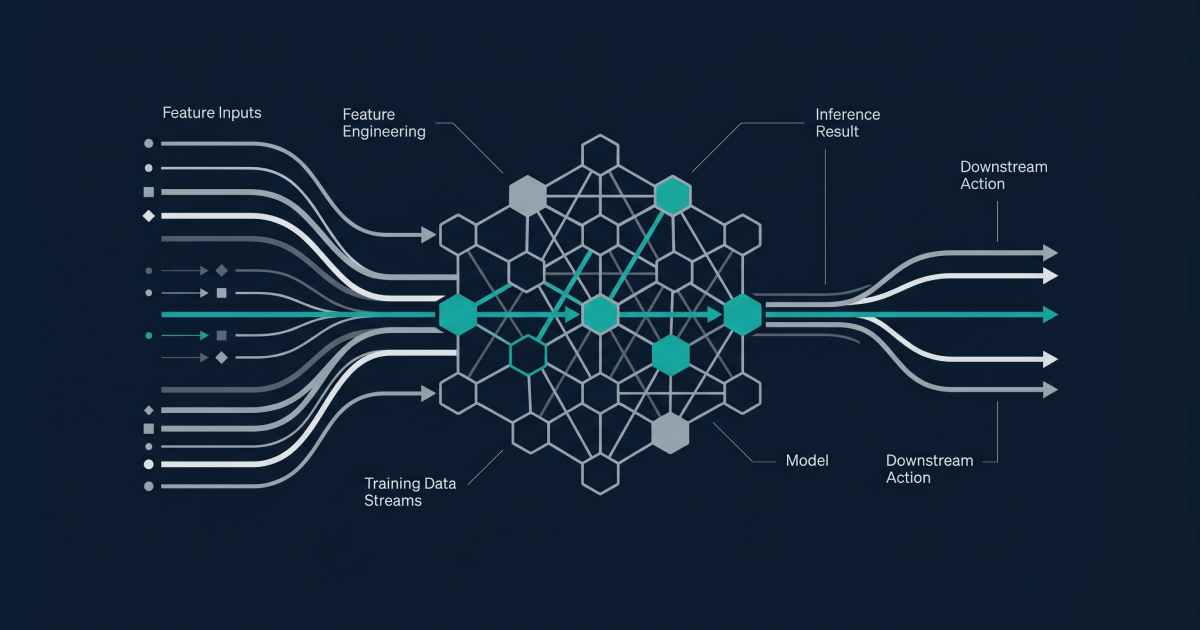
Most operators think about personalisation as a feature layer: game recommendations, targeted promotions, personalised email. That framing leads directly to the wrong architectural decisions. Real personalisation is a platform capability that depends on three things working together: a data infrastructure that captures player signals at source, a processing layer that acts on those signals in real time, and a decision engine that translates player state into relevant experiences.
The difference between surface-level and behavioural personalisation is significant. Surface-level personalisation serves content based on broad segment membership. Behavioural personalisation models individual patterns: session pacing, stake progression, game affinity, bonus interaction history. The latter requires considerably more from the underlying platform.
McKinsey research shows 71% of consumers expect personalised interactions, with personalisation typically driving a 10-15% revenue lift across consumer-facing industries. In iGaming, where player lifetime value is concentrated and churn is expensive, the cost of generic experiences shows up directly in session depth and retention metrics. The wider commercial case sits in our iGaming industry outlook analysis.
What data signals drive relevant player experiences
Explicit vs implicit preference data
Explicit preference data is what players tell you directly: game category preferences set during onboarding, communication opt-ins, stated deposit limits. It's useful but limited. Players rarely articulate their preferences accurately, and explicit data goes stale quickly as behaviour evolves.
Implicit behavioural data, derived from session activity, is more reliable at scale. The signals that matter most include game category and volatility preferences, session timing and duration patterns, stake ranges relative to deposit history, bonus redemption behaviour, and device and channel context. These signals build a picture of individual player preferences that no survey could replicate.
The data capture architecture
Capturing these signals requires event streaming from the game layer, wallet service transaction data, and CRM interaction history feeding into a unified player profile. This is where many platforms fail. When game events, wallet transactions and CRM data sit in separate systems with no shared player identifier, personalisation becomes impossible without significant data engineering work to reconcile them. That reconciliation is far cheaper to design in from the start than to retrofit later. The structural case for that integration pattern sits in our headless casino architecture piece.
Real-time delivery: how platforms act on player data
Batch processing vs real-time event streaming
Batch personalisation processes player data at the end of a session or overnight. It can inform the next session but can't respond to what's happening right now. A player who has just completed five consecutive slots sessions and is showing signs of session escalation can't be served a relevant intervention if your processing runs at midnight.
Real-time personalisation requires a decision engine that evaluates player state and triggers experiences within milliseconds of a qualifying event. The infrastructure difference is material: batch processing can run on standard data warehouse tooling, while real-time personalisation requires an event bus, a low-latency player profile store, and a decision engine capable of sub-100ms response times under load.
The four platform components
The real-time personalisation stack has four layers. The event bus ingests player activity from the game layer, wallet service and front end. The player profile store aggregates signals into a current player state that the decision engine can query. The decision engine evaluates rules or model outputs against player state and selects the appropriate experience. The delivery layer serves the result, whether that's a game recommendation, a promotional offer or a responsible gambling prompt.
Latency at any point degrades the experience. A recommendation served 800ms after the triggering event is a recommendation served too late. This is why the player profile store design, specifically its read performance under concurrent load, is one of the most consequential architectural decisions in the personalisation stack.
Rules-based vs ML-driven personalisation: choosing the right approach
When rules-based logic is the right starting point
Rules-based personalisation uses operator-defined logic to drive decisions. If a player has completed ten sessions on high-volatility slots, surface more high-volatility content. If a player hasn't redeemed a free spin offer in 30 days, adjust the promotion type. This approach is predictable, auditable and appropriate for platforms that don't yet have the data volume to train reliable models.
Auditability matters in regulated markets. UKGC and MGA both require operators to demonstrate that their personalisation mechanics don't exploit vulnerable players. A rules-based engine produces decisions that can be explained and reviewed. An ML model requires additional governance to meet the same standard. Article 5 of the EU AI Act adds further weight to this: practices that exploit cognitive vulnerabilities are prohibited outright, with direct implications for AI-driven personalisation in gambling.
Introducing ML as data volume grows
ML-driven personalisation uses trained models to identify patterns across player cohorts and surface recommendations that no rule set would have anticipated. It becomes valuable when player data volume is sufficient to train models that generalise reliably, and when the engineering team has capacity to maintain model quality over time. The model-layer detail on this sits in our machine learning casino platform piece.
Most operators should start with rules-based logic and introduce ML incrementally. The common mistake is investing in ML infrastructure before the data pipeline is mature enough to support it. A well-designed rules engine with clean event data will outperform a poorly trained model on incomplete data every time.
Personalisation and responsible gambling: an architectural consideration
Personalisation and responsible gambling aren't in tension, but they share the same underlying data infrastructure, which creates both an opportunity and a compliance obligation.
The behavioural signals that drive game recommendations are the same signals that surface early indicators of problematic play: session escalation, stake increases beyond typical patterns, loss-chasing behaviour, deposit frequency changes. A platform that has built a unified player profile and real-time event processing for personalisation purposes already has the technical foundation for compliant responsible gambling tooling. The wider compliance picture sits in our breakdown of responsible gambling technology trends.
UKGC and MGA both require operators to act on these signals. The UKGC's Social Responsibility Code requires operators to interact with customers showing signs of harm. Platforms that treat personalisation and RG as separate systems, each with their own data pipelines, typically find that neither works as well as it should, and that compliance becomes a manual process rather than an automated one.
Designing the player profile store to serve both personalisation and RG tooling from the outset isn't just good architecture. It's the approach that makes compliance sustainable at scale.
What to get right at build stage
The three foundational decisions
Personalisation capability is largely determined by decisions made during platform architecture. Three decisions have the greatest long-term consequence:
- Event-driven data architecture. Player signals must be captured at source, from the game layer, wallet service and front end, and published to a shared event bus. Platforms built on request-response patterns without event streaming can't support real-time personalisation without significant rework.
- Unified player profile store. All player signals need to aggregate into a single profile that the decision engine can query with low latency. Fragmented data across game, wallet and CRM systems makes this impossible without a data reconciliation layer that adds latency and complexity.
- A composable decision engine. The engine that translates player state into experiences should be designed to support both rules-based logic and ML model outputs. Starting with rules and extending to ML is far simpler when the engine is designed for both from the beginning.
What becomes expensive to retrofit
Operators who treat personalisation as a post-launch feature addition consistently face the same problem: the real-time event pipeline doesn't exist. Retrofitting event streaming onto a batch-processing architecture on a live platform is disruptive and expensive. The game layer integration needs to be renegotiated with the aggregator. The wallet service needs new event emission logic. The player profile store needs to be built and populated from historical data before it can serve useful recommendations. The retrofit-versus-rebuild framework sits in our platform modernisation guide.
None of this is impossible. But it takes significantly longer and costs significantly more than designing for it at the start. The operators who get personalisation right are the ones who treat it as a platform requirement during initial scoping, not a product feature to be added in a later sprint.
Building personalisation into your iGaming platform from the start
The core argument is straightforward: personalisation is an architecture problem, and the decisions that determine whether it scales are made at build stage. Operators who invest in event-driven architecture, a unified player profile store and a composable decision engine early are positioned to extend personalisation capability incrementally without platform rework. Those who don't will pay for that decision later, on a live system, under commercial pressure.
FAQ
What platform capabilities does real-time personalisation require?
Real-time personalisation requires an event bus to ingest player activity, a unified player profile store with low-latency read performance, a decision engine that evaluates player state against rules or model outputs, and a delivery layer that serves the result within milliseconds. Each component needs to be designed together rather than integrated after the fact.
How do iGaming platforms model individual player preferences?
Platforms derive individual player preferences from implicit behavioural signals: game category and volatility choices, session timing and duration, stake patterns relative to deposit history, and bonus interaction behaviour. These signals are aggregated into a unified player profile that the personalisation engine queries in real time to make relevant decisions.
What is the difference between rules-based and ML-driven personalisation?
Rules-based personalisation uses operator-defined logic to drive decisions and is predictable, auditable and appropriate for early-stage platforms. ML-driven personalisation uses trained models to identify patterns that rules wouldn't anticipate, but requires sufficient data volume and engineering investment to be reliable. Most operators should start with rules and introduce ML incrementally.
How does personalisation interact with responsible gambling obligations?
The behavioural signals that drive personalisation are the same signals that surface early indicators of problematic play. UKGC and MGA both require operators to act on these signals. Platforms that build a unified player profile and real-time event processing for personalisation purposes already have the technical foundation for compliant responsible gambling tooling.
Should operators build personalisation natively or use a third-party engine?
The decision depends on data ownership and integration depth. Third-party personalisation engines offer faster deployment but introduce data sharing, integration constraints and roadmap dependency. Native builds require more upfront investment but deliver full ownership of player data and the flexibility to evolve the decision engine alongside the platform. Operators with multi-brand or multi-jurisdiction ambitions typically find native personalisation capability delivers better commercial outcomes over a three-to-five-year horizon.
Next step
If you're scoping a new platform or evaluating a modernisation programme, personalisation readiness should be a primary requirement in your architecture brief. Speak to Jadex's iGaming engineering team about how personalisation requirements should inform your platform architecture decisions. We work with operators at both build and modernisation stages to ensure the data infrastructure, integration design and decision engine are built to support personalisation from day one. See our full iGaming development capability.
About the Author: admin